Skip to content
Discover Egypt Tours
Home
Destinations
Programs
Services
Contact
great prymids
Great Pyramid of Giza
Overview
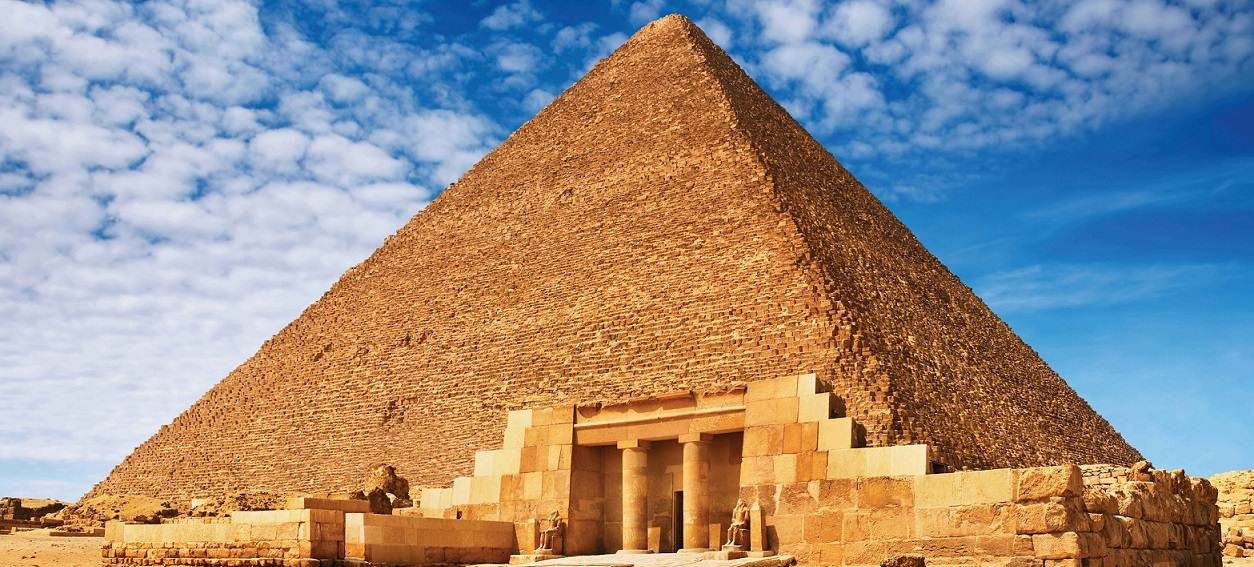
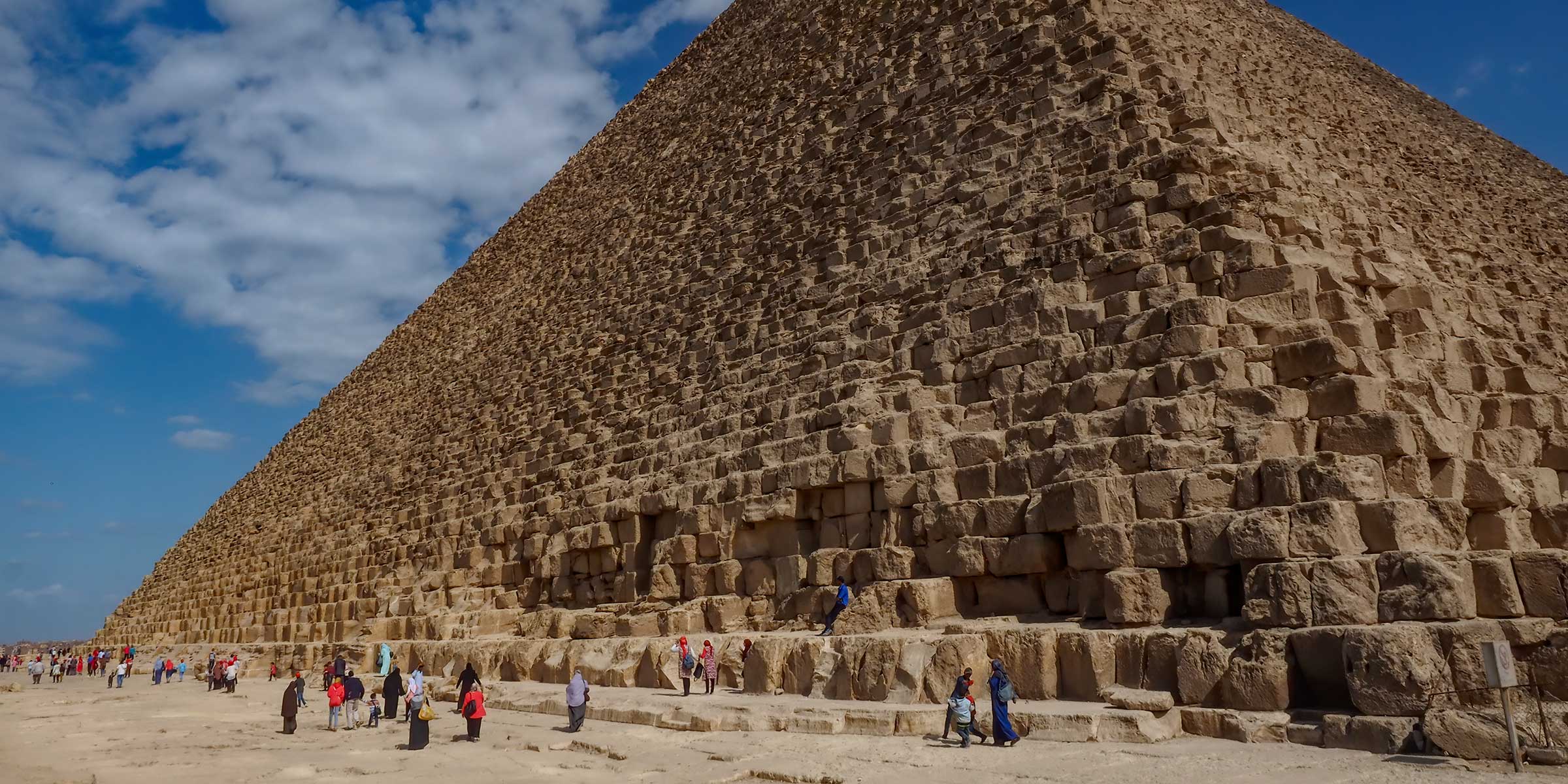
The Great Pyramid of Giza is one of the most extraordinary monuments ever created and remains the most recognizable symbol of ancient Egypt. Located on the Giza Plateau near Cairo, it attracts millions of visitors every year who come to witness one of humanity’s greatest architectural achievements. Built during the reign of Pharaoh Khufu of the Fourth Dynasty, the pyramid was constructed more than 4,500 years ago as part of a vast royal funerary complex. It was designed to serve as the king’s final resting place and to reflect the power, wealth, and religious beliefs of ancient Egyptian civilization. For thousands of years, the Great Pyramid held the title of the tallest man-made structure in the world. Even today, its enormous size, precise alignment, and remarkable engineering continue to amaze historians, architects, and travelers alike. Despite centuries of natural erosion and the removal of much of its original outer casing, the pyramid remains one of the best-preserved monuments from the ancient world. The structure was built using millions of stone blocks, many of which were transported from different regions of Egypt. Limestone from local quarries formed the majority of the pyramid, while higher-quality materials were used in important internal sections. The transportation and placement of these massive stones remain among the most fascinating subjects in archaeology. Inside the pyramid are a series of passages and chambers that have intrigued explorers for centuries. Among them are the King’s Chamber and the Queen’s Chamber, both connected by corridors that reveal the complexity of the pyramid’s design. The King’s Chamber contains a granite sarcophagus believed to have been prepared for Pharaoh Khufu. The Great Pyramid was not an isolated monument. It formed the center of a larger complex that included temples, smaller pyramids, ceremonial structures, and tombs belonging to members of the royal family and high-ranking officials. Together, these structures created a sacred landscape dedicated to the king’s journey into the afterlife. Ancient Egyptians placed enormous importance on burial practices and believed that death was a transition to another existence. Royal tombs were therefore designed not only to protect the deceased but also to ensure their eternal legacy. The Great Pyramid stands as a powerful example of these beliefs and remains one of the most significant archaeological sites in the world. Today, the Great Pyramid of Giza is recognized as a UNESCO World Heritage Site and continues to inspire visitors from every corner of the globe. Whether admired for its history, engineering, or cultural significance, it remains an essential destination for anyone interested in the story of ancient Egypt.
Related Tours→
English